
Zooskool 250 Exclusive File
Gathering in-depth information about the pet’s environment and behavior.
Understanding the "flight zone" of cattle, a concept popularized by Dr. Temple Grandin, has led to the design of more humane handling facilities. This reduces animal distress and improves meat quality and handler safety. zooskool 250 exclusive
: Studies often focus on the "Four F's": fighting, fleeing, feeding, and reproduction. These can be categorized as innate (genetically programmed) or learned (imprinting, conditioning, imitation). This reduces animal distress and improves meat quality
| Term | Definition | |------|-------------| | | Fighting, threatening, submissive postures | | Allogrooming | Social grooming between conspecifics | | Dispersion | Movement of individuals away from a group | | Tonic immobility | Temporary paralysis as a fear response | | Zooanthroponosis | Disease transmitted from animals to humans (behavioral relevance: bite/scratch risk) | | Term | Definition | |------|-------------| | |
Historically, veterinary visits relied heavily on physical restraint to get procedures done quickly. However, forcing a terrified animal into submission creates learned helplessness and severe psychological trauma, making each subsequent visit progressively more difficult.
Managing problems like improper urination in cats or separation anxiety in dogs through behavior modification, environmental enrichment, and, if necessary, medication.
Modern zoos use positive reinforcement training to facilitate voluntary veterinary care. Instead of anesthetizing a large predator for a routine check-up, keepers train animals using behavior modification. Tigers learn to present their paws for nail trims, elephants present their feet for inspection, and chimpanzees hold still for voluntary injections. This eliminates the massive physical stress of chemical immobilization. Conclusion
 TRANSLATION
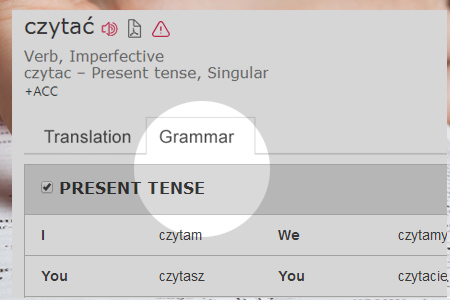 GRAMMAR
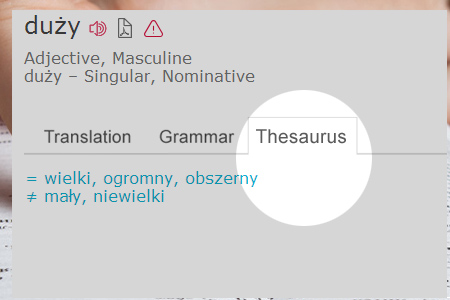 THESAURUS
 PRONUNCIATION
 TABLE OF INFLECTED FORMS
 BE A CO-AUTHOR!