Hospitals that implement Fear Free protocols report safer working conditions (fewer bites and scratches), more accurate diagnostics, and clients who actually return for preventative care instead of ghosting the clinic.
Understanding animal behavior isn’t just about training—it’s about saving lives. 🩺🐶
No trainer alone could have fixed that. No blood panel alone would have caught the social water-bowl dynamic. Only the intersection of behavior and veterinary science provided the solution. Hospitals that implement Fear Free protocols report safer
Similar to human OCD, some dogs perform repetitive, functionless behaviors—tail chasing, flank sucking, light shadow chasing. These are not "quirks." They are often genetic (common in Dobermans, Bull Terriers, and German Shepherds) and involve dysfunctional cortico-striatal circuits. Again, punishment is not only cruel but futile. Treatment involves environmental enrichment, counter-conditioning, and often lifelong medication.
The integration of technology is revolutionizing how we interpret animal needs: Artificial Intelligence (AI) No blood panel alone would have caught the
For decades, veterinary medicine and animal behavior operated in silos. Veterinarians focused almost exclusively on the physiology, pathology, and surgery of the animal. Meanwhile, behaviorists and trainers handled obedience, aggression, and psychological conditioning.
Hepatic encephalopathy, chronic kidney disease, and painful osteoarthritis can manifest as irritability, withdrawal, or sudden aggression due to discomfort or metabolic toxins affecting the brain. 2. Neurobiology of Behavior These are not "quirks
Veterinary science has moved beyond telling owners to "just exercise the dog more." We now have fMRI studies showing that these dogs have different brain activity patterns. Treating the behavior means treating the brain.
In the last 20 years, the has formalized the link between behavior and biology. A board-certified veterinary behaviorist is not a trainer; they are a medical doctor who first rules out organic disease, then diagnoses psychiatric and behavioral disorders.
The study of animal behavior and veterinary science is a rapidly evolving field that has garnered significant attention in recent years. As our understanding of animal behavior and welfare continues to grow, the importance of integrating behavioral and veterinary sciences has become increasingly evident. This interdisciplinary approach has far-reaching implications for the health, well-being, and management of animals in various settings, including zoos, farms, shelters, and homes.
The modern veterinary movement embraces "Fear Free" and low-stress handling protocols. These methodologies emphasize reading subtle body language, utilizing minimal restraint, employing distraction techniques (like lick mats with peanut butter or wet food), and utilizing species-specific pheromone diffusers (such as Feliway for cats or Adaptil for dogs) within the clinic. By reducing the stress of the veterinary visit, clinicians can obtain more accurate vital signs (as stress significantly artificially elevates heart rate, blood pressure, and body temperature) and ensure a safer environment for the veterinary team and the patient. The Future of Veterinary Behavioral Science
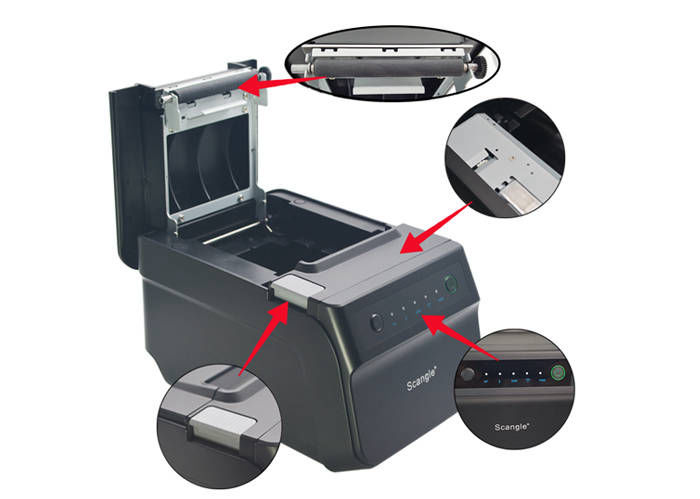
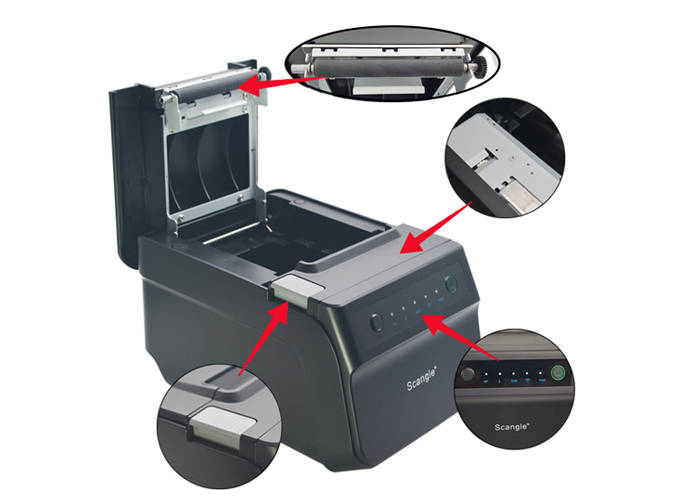
| Scangle SGT-88IV | |
|---|---|
| Print type | Thermal Printing |
| Print width | 58/80 mm |
| Resolution | 203 dpi |
| Print speed | 300 mm/s |
| Dimensions | 145 × 215 × 135 mm |
| Weight | 2,5 kg |
| Automatic cutter | Yes, lifetime 2 000 000 cuts |
| Supported standards | ESC/POS/OPOS |
| Operating temperature | 0°C - 45°C |
| Supported OS | Android, iOS, Windows, Windows CE |
| Supported Interface (optional) | RS232, USB, LAN, WiFi, Bluetooth |

+420 725 913 535
+420 702 142 452
info@satomar.cz
www.scangle.eu
Satomar, s.r.o.
ID: 29201586
VAT ID: CZ29201586
Karlova 37
614 00 Brno
Czech Republic