OUT NOW








Discover the story of Achilles told anew.
Battle gods, defeat mythological creatures and gather resources in Achilles: Legends Untold.
Let your sword write an all-new story inspired by classical Greek mythology.

Conquer your fear, make moral choices and find your place in the ongoing conflict of mythological proportions.
Achilles’ journey will take him to many different corners of mythological lands where he will obtain powerful artifacts that will aid him in his quest.

The story will take you through Troy, as well as various parts of the ancient Greece inspired world, allowing you to discover its secrets.
The game world is full of people, animals, mythological creatures, and other mysterious beings from ancient Greece. You will meet many enemies during your travels, but also a few allies.

The gameplay features enjoyable and skill-based combat, RPG elements and resource management.
There are various weapons and weapon chargers available allowing the players to choose the best strategy of fighting, be it more distant (by setting traps or throwing darts, bombs or a shield) or hands-on (with a sword, axe, or a spear).
Throughout the game, players will become more skillful alongside the main character.

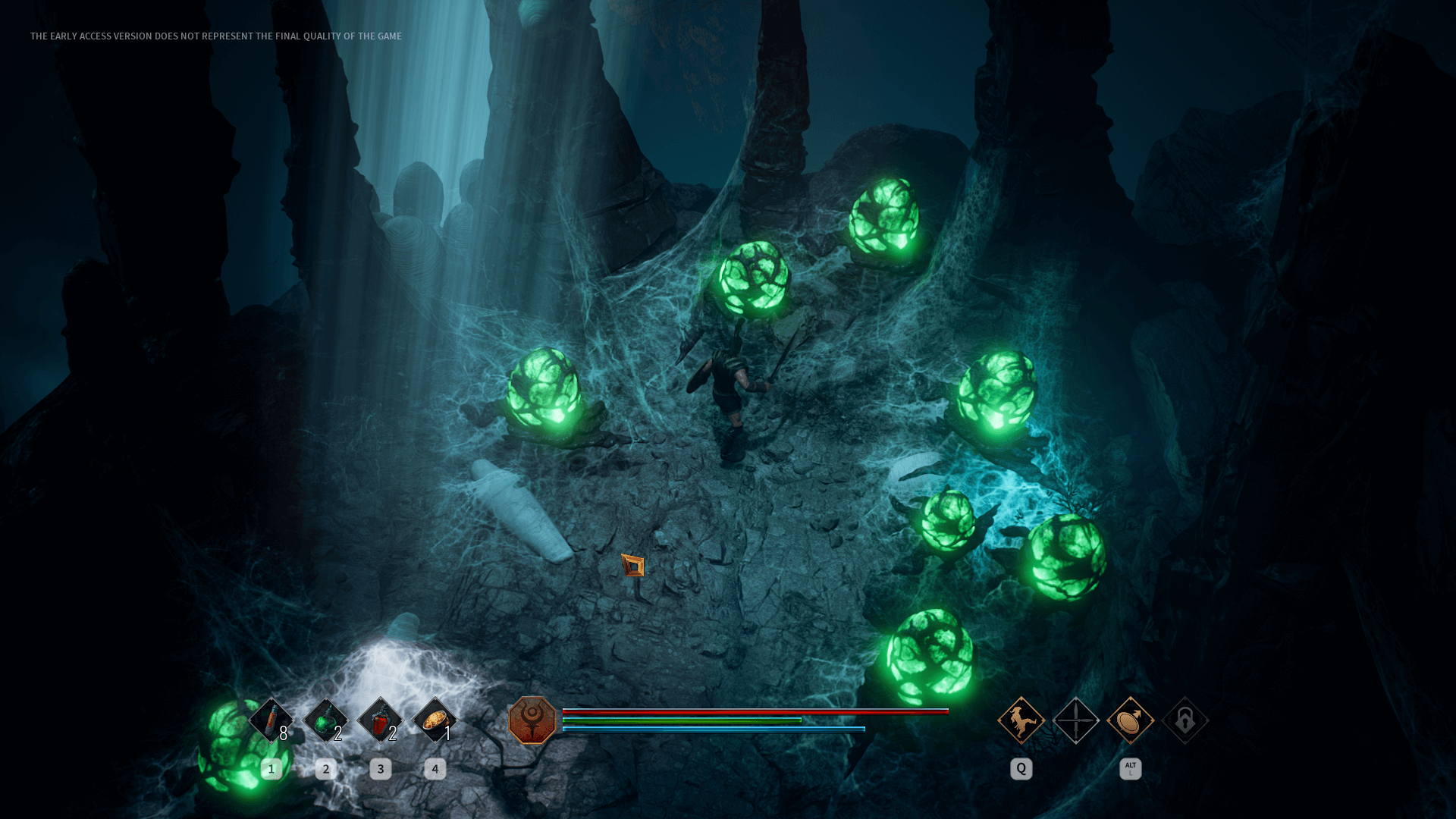


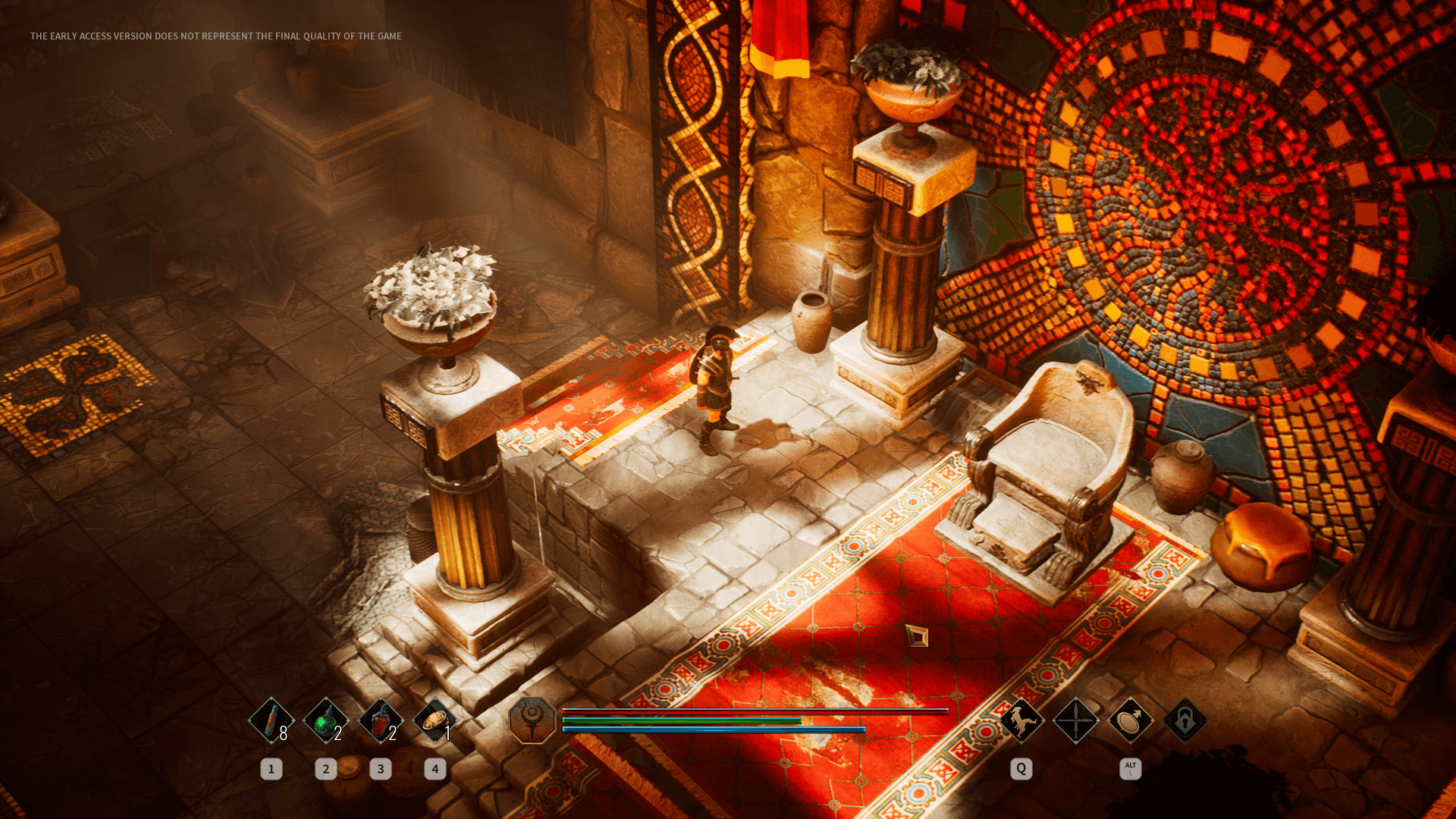
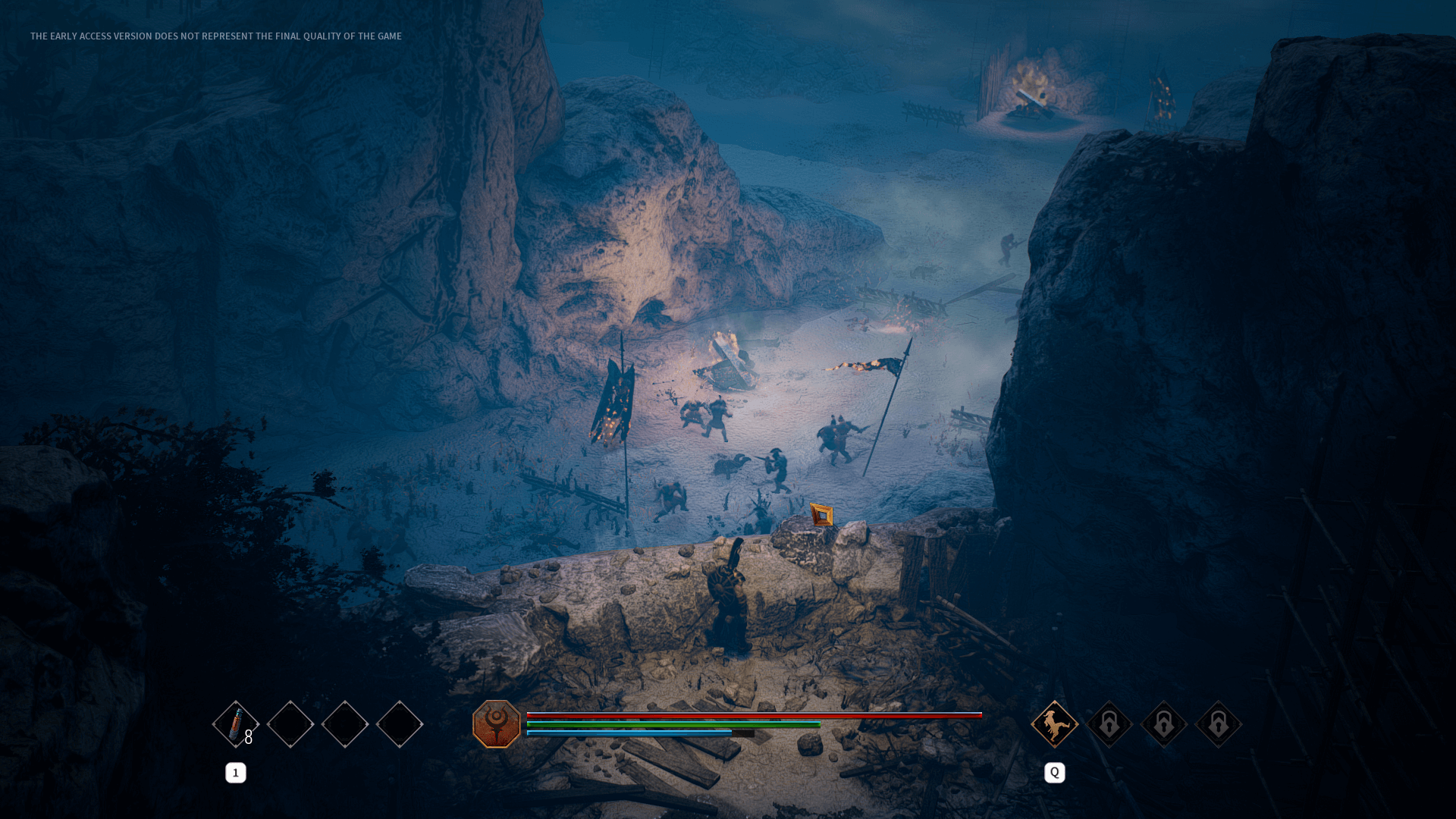
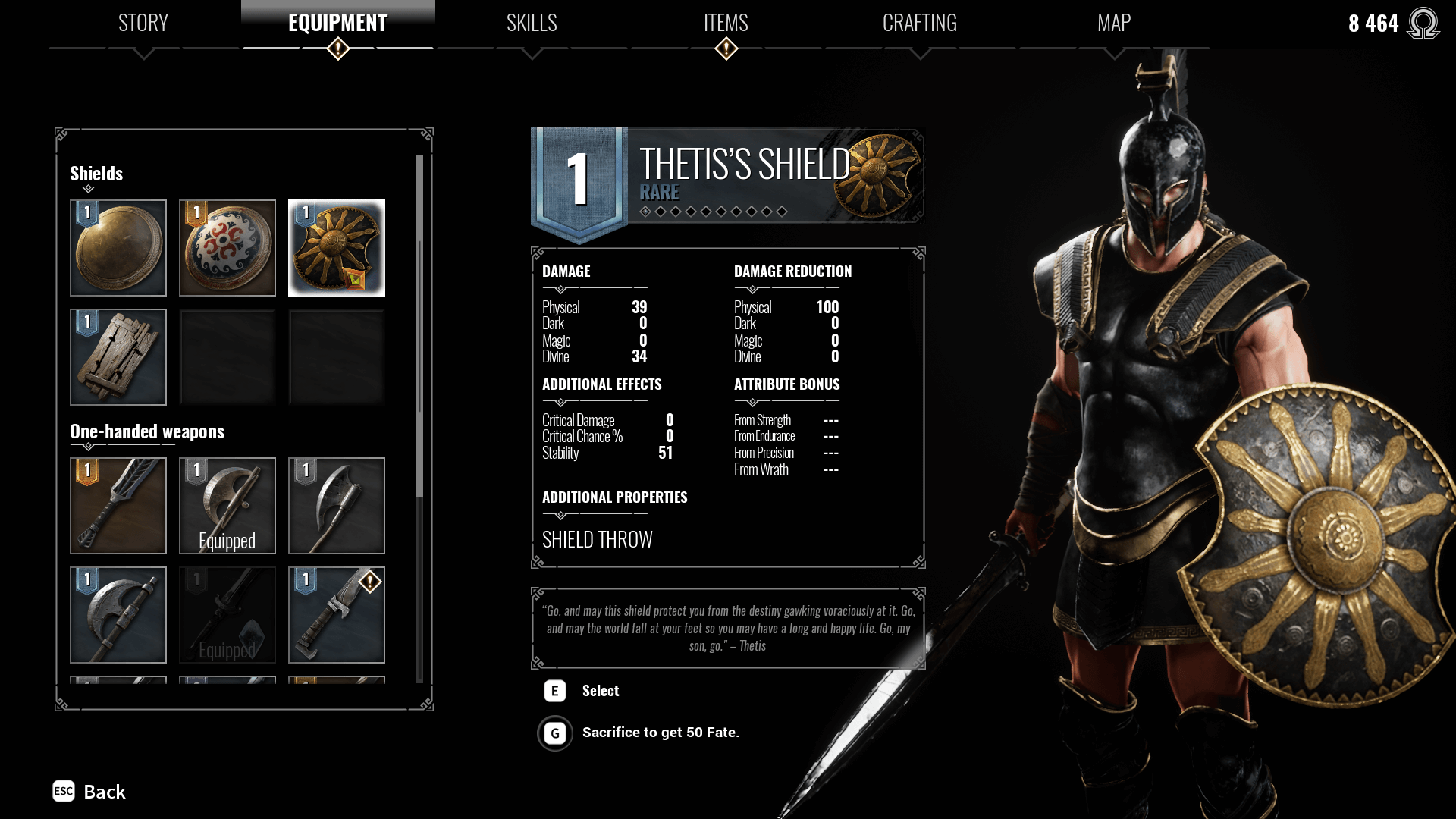

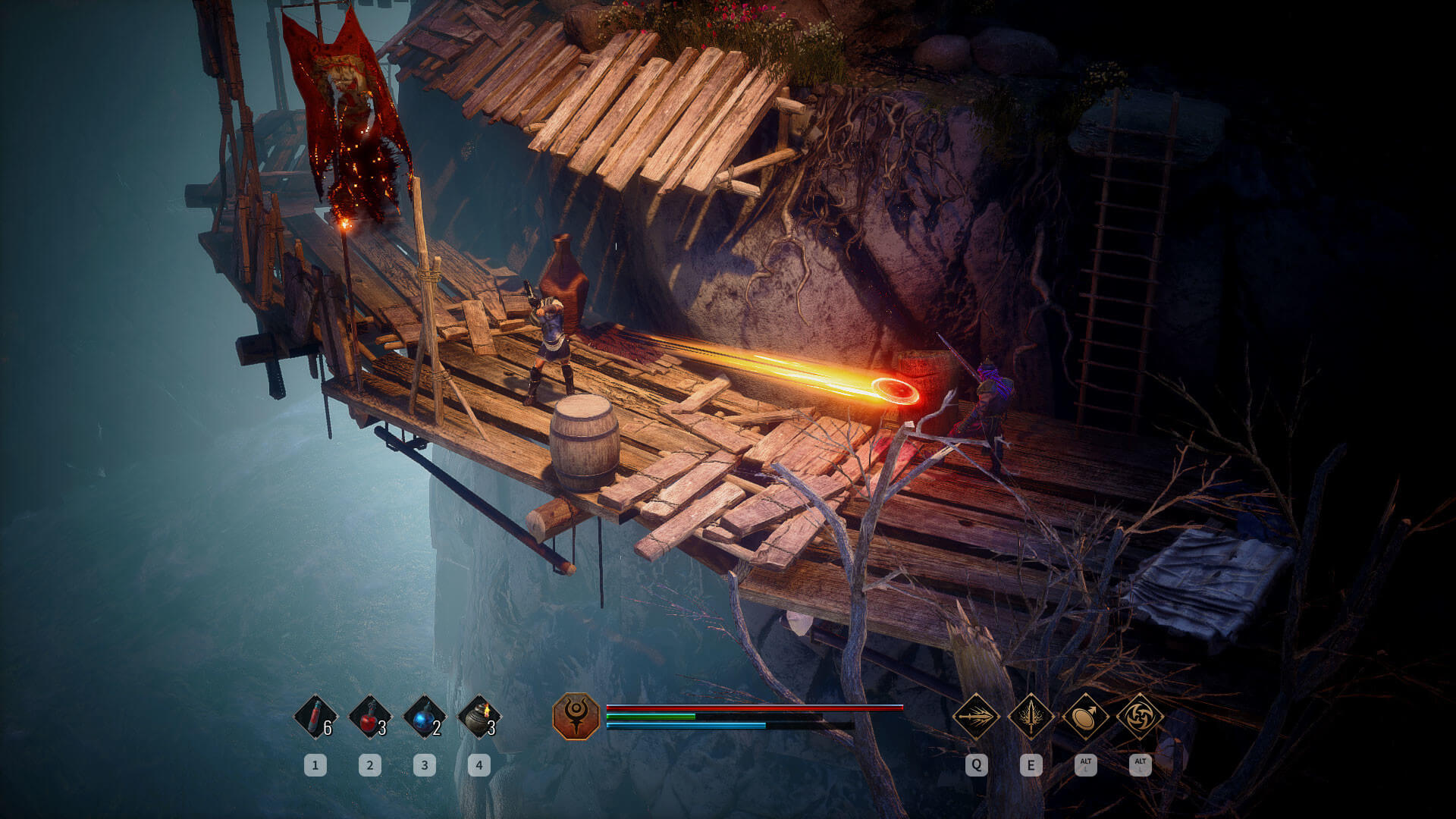
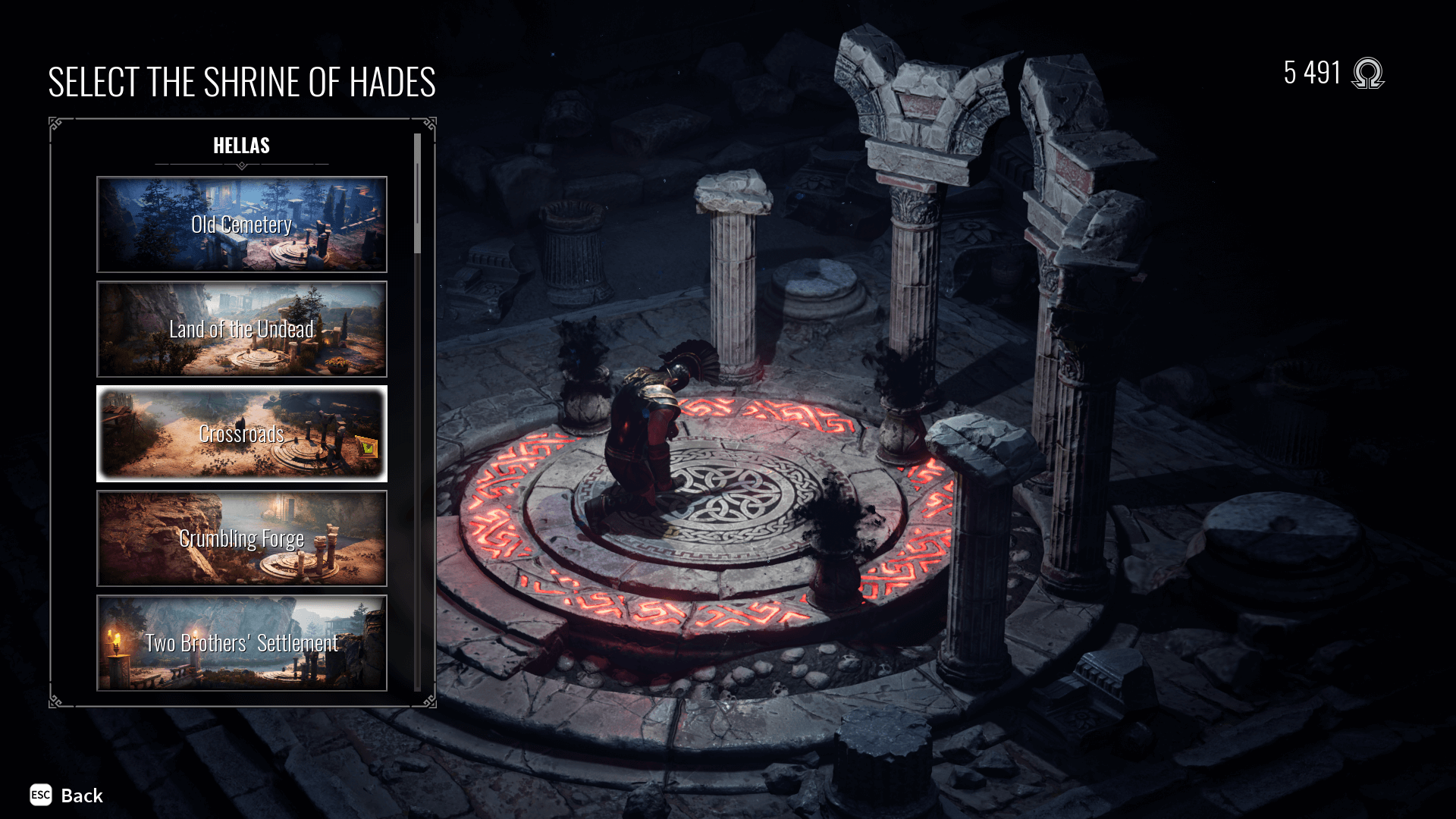

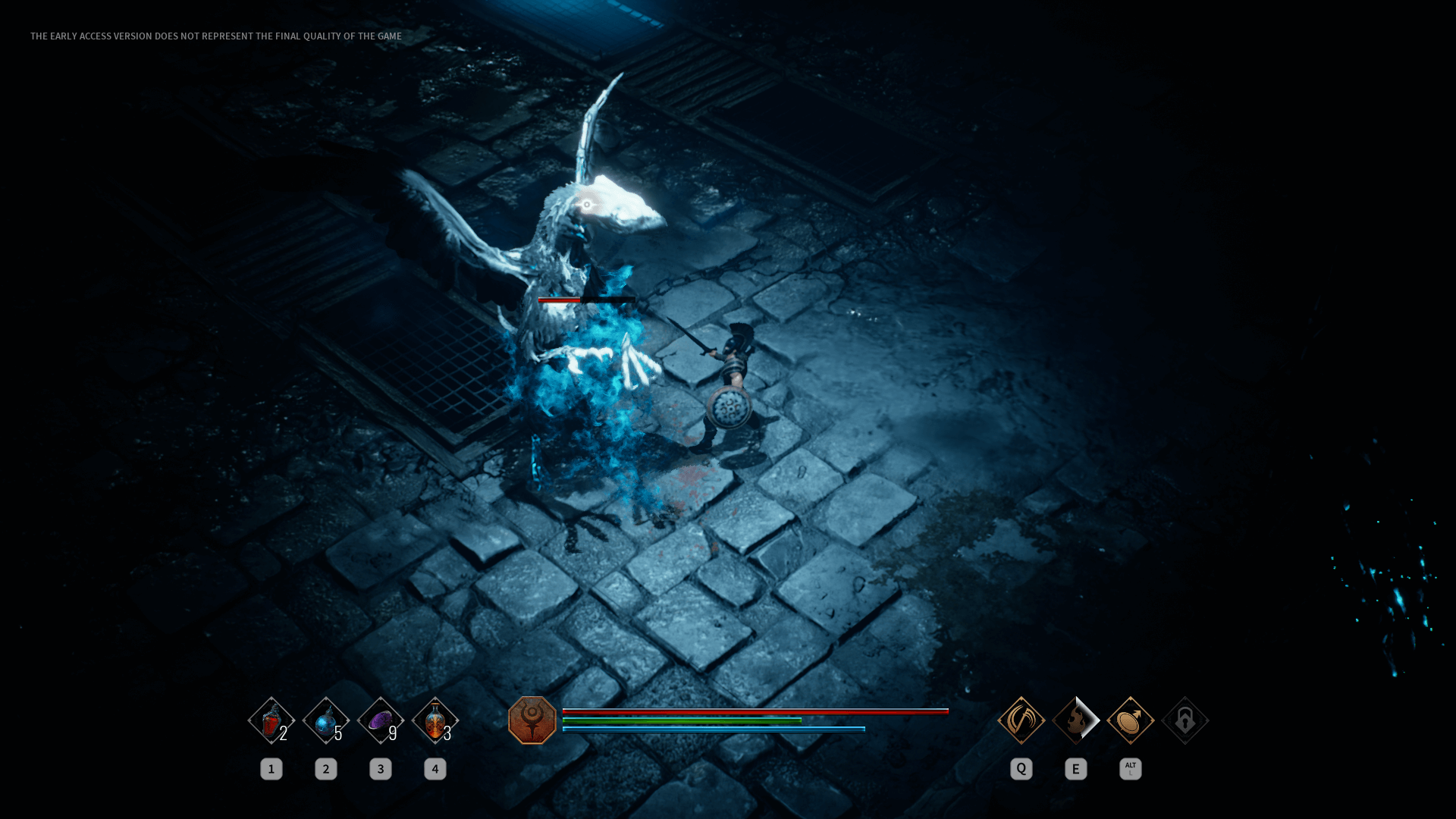
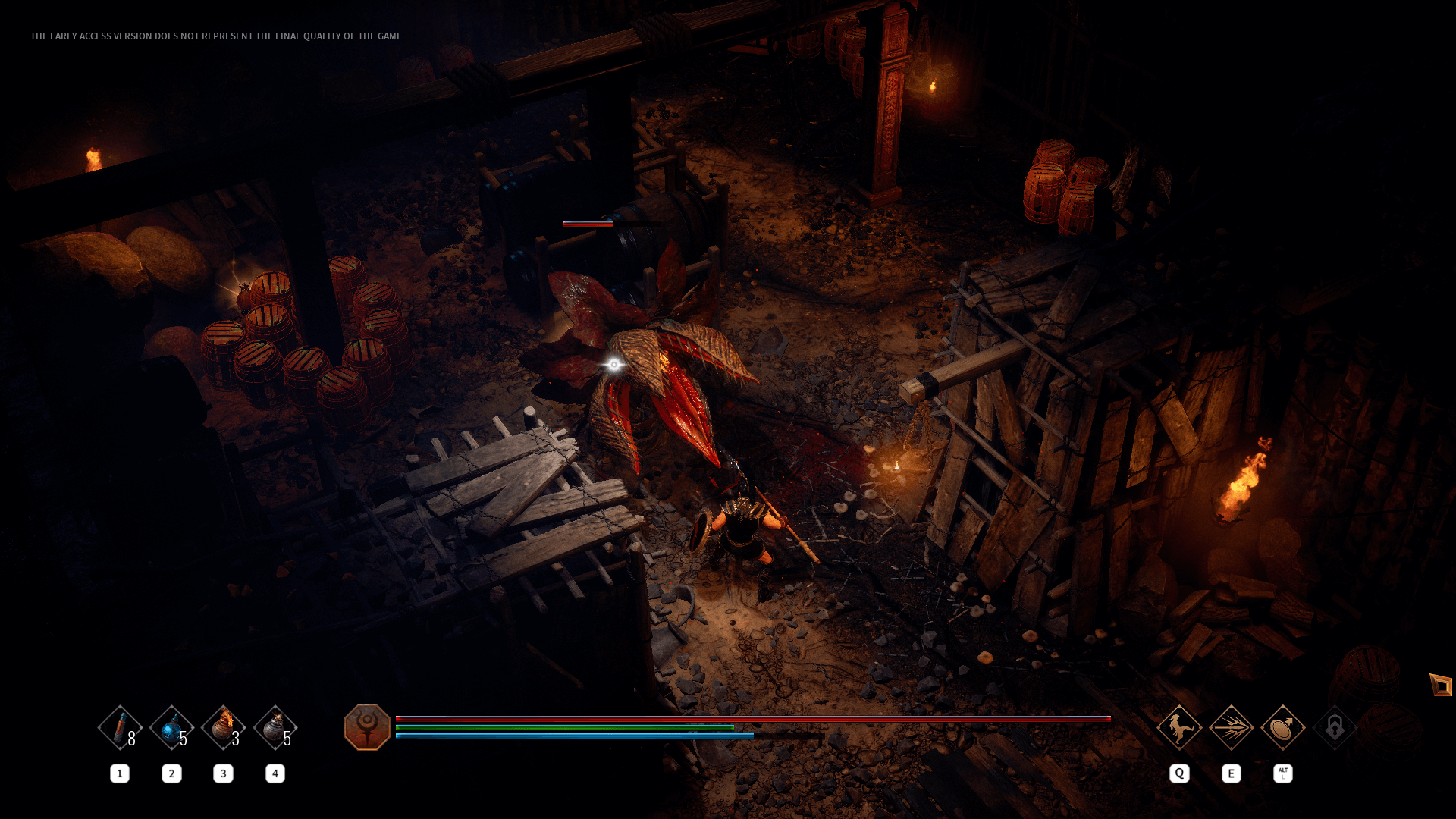
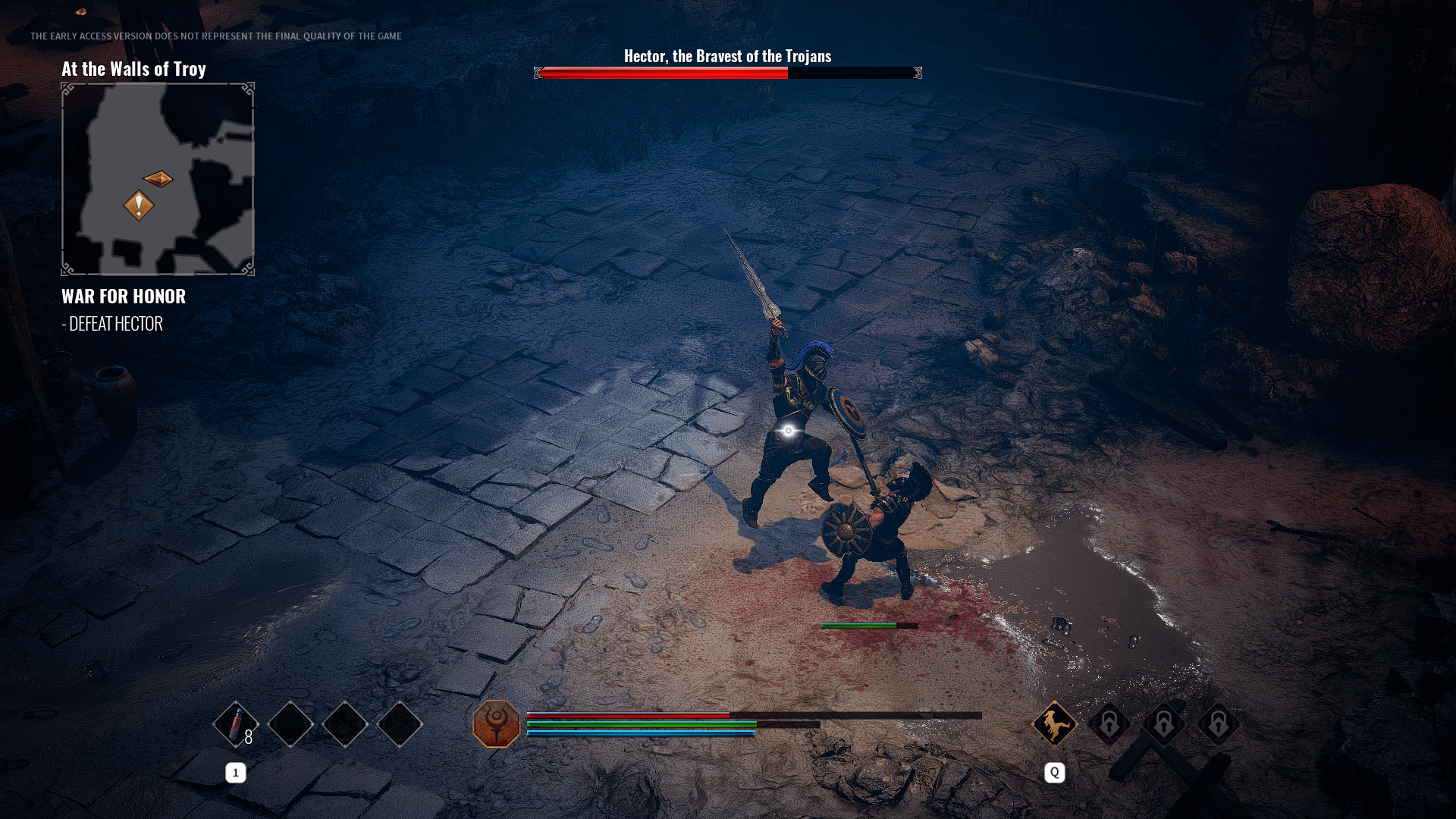

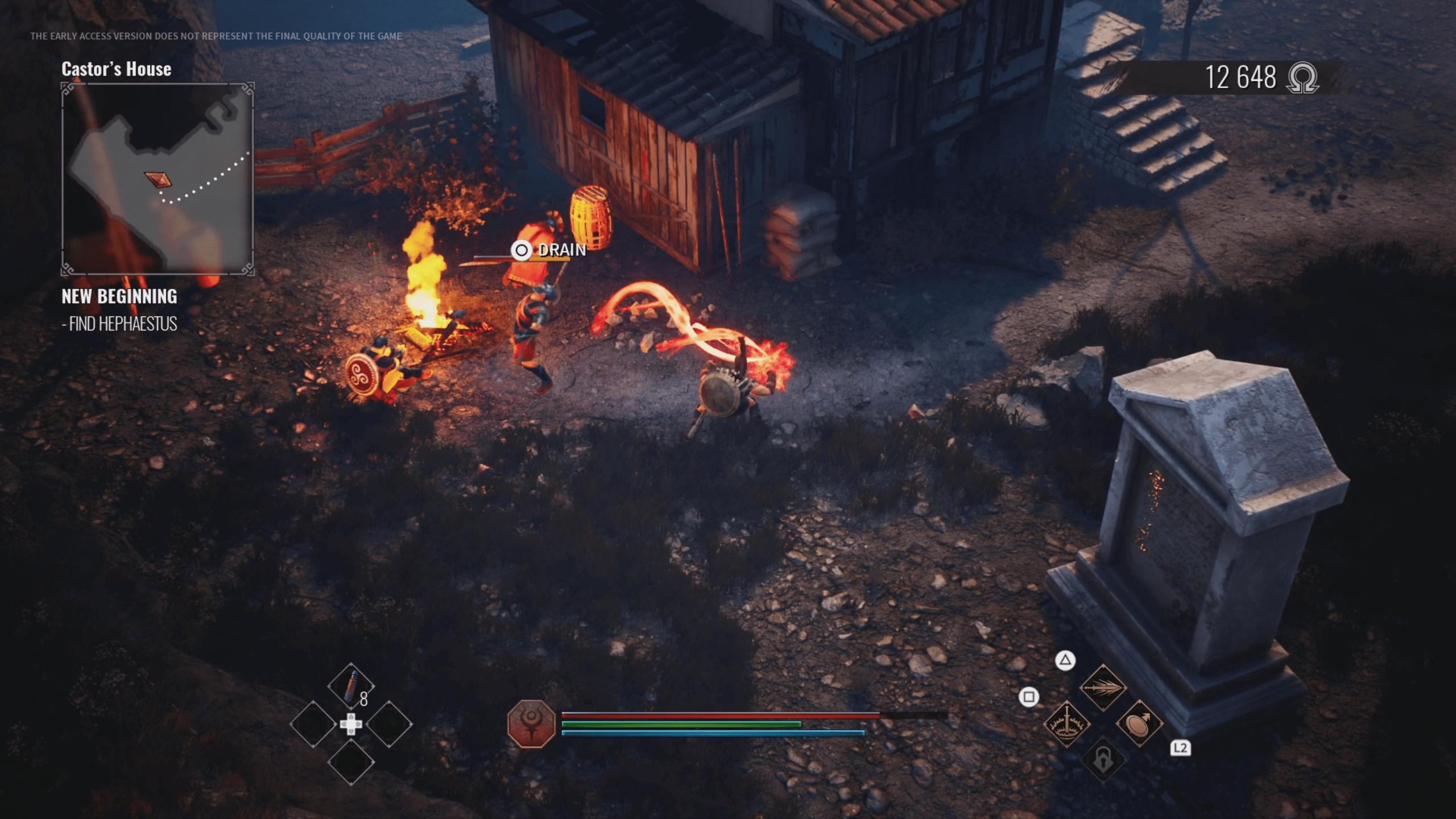
Experience the capabilities of the GAIA (Group AI Action) system that introduces innovative enemy behavior. Opponents have unscripted interactions with each other and are capable of coordinated attacks, sometimes even taking advantage of their surroundings.
Fight immersive battles in which opponents adapt to your playstyle. Try different strategies or create ambush scenarios, driven by this contemporary in-house designed system.

When you learn to speak both languages, you can transform any space — from a single room to an entire building — into a cohesive, functional, and beautiful environment.
Circulation refers to the way people move through a space. A well-designed building guides users naturally from public zones (lobbies, living rooms) to private zones (offices, bedrooms) without confusion or unnecessary dead ends. 3. Fundamental Elements of Interior Design
: Strategic window placement captures daylight, reducing reliance on artificial lighting and enhancing user well-being. When you learn to speak both languages, you
The best buildings are designed from the inside out and the outside in simultaneously. When an architect and an interior designer collaborate early, windows align perfectly with interior furniture layouts, structural columns do not disrupt room flow, and the exterior narrative matches the interior mood. 2. Core Principles of Architectural Design
The Essential Guide to Architecture and Interior Designing: A Comprehensive Overview (PDF Guide) When an architect and an interior designer collaborate
The tactile quality of a surface (rough, smooth, matte, glossy). Texture adds depth and visual interest without changing structural lines.
Focuses on the human experience within those structures. It encompasses space planning, material selections, ergonomics, lighting, and psychological impacts of the immediate environment. Intended to help students
Task Lighting: Focused light for reading, cooking, or working.
Spatial Planning and CirculationSpatial planning determines how a building functions. Architects analyze how people move through a space, creating logical pathways or circulation loops. Effective planning ensures that public zones, such as living rooms and lobbies, transition smoothly into private zones like bedrooms and executive offices.
A combination of natural sunlight and artificial fixtures that dictates how colors and textures appear.
This guide covers fundamentals and actionable practice for both architecture (building form, structure, site, systems) and interior design (space planning, finishes, furniture, lighting, human factors). Intended to help students, junior professionals, DIY renovators, and small-practice architects/designers produce coherent, buildable, and human-centered spaces.