The drivers’ verdict? “For the first time, the roster doesn’t fight us. It works with us.”
: Detailed employee records can be managed through the RTA Fleet Maintenance system to track unique initials, abbreviations, and contact info.
Investing the time and technology to make your RTA driver roster better pays immediate dividends. Your agency will spend less on overtime, experience fewer service gaps, and foster a healthier, more satisfied workforce. In public transit, an optimized roster is the fastest vehicle to operational excellence.
Drivers receive schedule changes, route analysis, and emergency alerts instantly on their phones.
Their job is not to design the roster, but to review the data:
: Review the roster with driver representatives to ensure practical feasibility before "going live." Further Exploration RTA Web’s Shop Procedure
This feature uses historical transit data and real-time event analytics to automatically adjust driver shifts before gaps in service occur. Instead of a static weekly roster, the system dynamically suggests "roster overlays" based on predicted spikes in passenger volume. Key Capabilities of This Feature
Making an RTA driver roster better isn't just about filling slots; it’s about . When you balance the technical requirements of the transit network with the biological and social needs of the drivers, you see an immediate return on investment through lower turnover, fewer accidents, and a more reliable service for the public.
Modern, AI-driven rostering platforms (such as Optibus or scheduling software mentioned in) can solve complex scheduling problems by automating the assignment of drivers to vehicles.
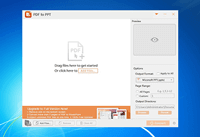
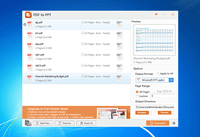
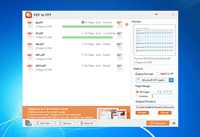
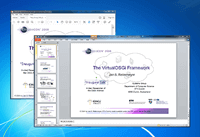
Spend less time retyping, easily move the contents from PDF files to editable Powerpoint documents.
The drivers’ verdict? “For the first time, the roster doesn’t fight us. It works with us.”
: Detailed employee records can be managed through the RTA Fleet Maintenance system to track unique initials, abbreviations, and contact info.
Investing the time and technology to make your RTA driver roster better pays immediate dividends. Your agency will spend less on overtime, experience fewer service gaps, and foster a healthier, more satisfied workforce. In public transit, an optimized roster is the fastest vehicle to operational excellence.
Drivers receive schedule changes, route analysis, and emergency alerts instantly on their phones.
Their job is not to design the roster, but to review the data:
: Review the roster with driver representatives to ensure practical feasibility before "going live." Further Exploration RTA Web’s Shop Procedure
This feature uses historical transit data and real-time event analytics to automatically adjust driver shifts before gaps in service occur. Instead of a static weekly roster, the system dynamically suggests "roster overlays" based on predicted spikes in passenger volume. Key Capabilities of This Feature
Making an RTA driver roster better isn't just about filling slots; it’s about . When you balance the technical requirements of the transit network with the biological and social needs of the drivers, you see an immediate return on investment through lower turnover, fewer accidents, and a more reliable service for the public.
Modern, AI-driven rostering platforms (such as Optibus or scheduling software mentioned in) can solve complex scheduling problems by automating the assignment of drivers to vehicles.


 PDF Printer
 Air Printer
 PDF Scanner
 Photo to PDF
 Flyingbee Reader
 PDF Merger
 PDF Splitter
 PDF Compressor
 PDF Password Remover
 PDF Encryptor
 PDF Converter
 PDF to Word
 PDF to Powerpoint
 PDF to Excel
 PDF to Text
 PDF to JPEG