Naruto Xxx 7 Desto Kushina Uzumaki Added Link Updated
for iPhone, Mac and Apple Vision Pro


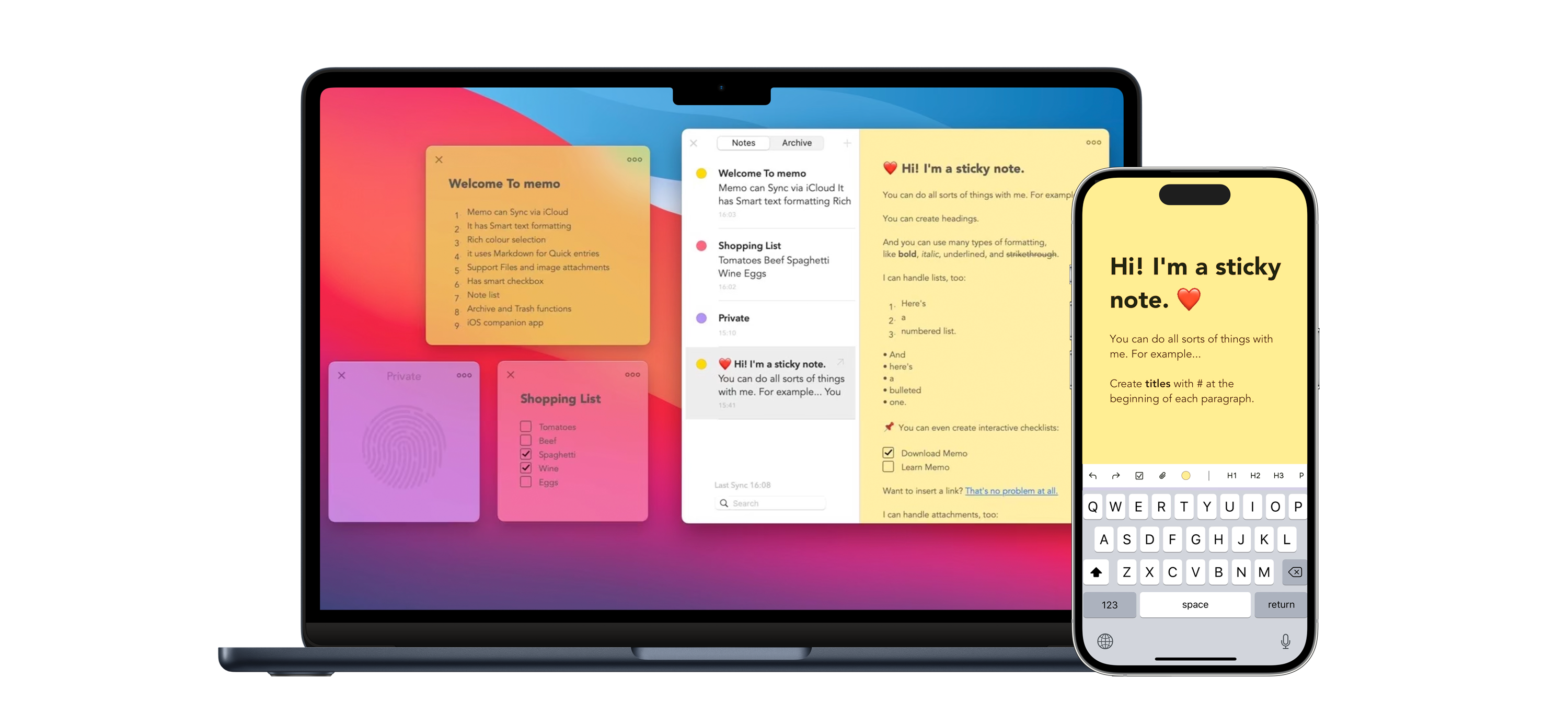
Memo, enables users to create, organize, and sync notes across multiple devices using iCloud. With features such as colorful notes, markdown support, and attachments, users can easily keep their notes updated and accessible on-the-go.
The app allows users to customize their notes with various colors, fonts, and backgrounds, making it easy to organize and visually distinguish between different notes.
The app seamlessly syncs notes across all devices connected to the user's iCloud account, ensuring that their notes are always up-to-date and accessible.
The app supports Markdown formatting, allowing users to easily create headings, lists, links, and other formatting options to make their notes more readable and organized.
The app allows users to attach files, images, and other media to their notes, making it easy to keep relevant information in one place.
The app includes widgets that display notes on the home screen or lock screen, making it easy for users to quickly access their notes without having to open the app.
The app ensures that users' notes are kept secure and private, with features such as encryption, passcode protection, and two-factor authentication to prevent unauthorized access.
The interaction between Naruto and Kushina did not end when Masashi Kishimoto put down his pen. Popular media is unique because it is cyclical; fans consume content, remix it, and feed it back into the entertainment ecosystem. Fan Art and Alternate Universes (AUs)
For the majority of the series, Naruto Uzumaki’s identity is defined by absence. He is an orphan, ostracized by his village because he contains the Nine-Tailed Fox (Kurama). The introduction of his mother, Kushina Uzumaki, in the latter half of the series completely recontextualizes his journey. Kushina is vibrant, fiercely protective, and deeply flawed—famous for her red hair and her verbal tic, "dattebane" (which Naruto inherits as "dattebayo"). The Power of Parent-Child Dynamics in Media naruto xxx 7 desto kushina uzumaki added link
The global phenomenon of Naruto owes its longevity not just to its high-octane ninja battles, but to its profound emotional core. Central to this emotional resonance is Kushina Uzumaki, the mother of the protagonist, Naruto Uzumaki. Despite her limited screen time in the original series, Kushina’s character has left an indelible mark on entertainment content and popular media. From pivotal narrative arcs to video games, fan culture, and digital media trends, her presence continues to shape how audiences engage with the franchise. 1. Narrative Significance in the Naruto Franchise The interaction between Naruto and Kushina did not
The Legacy of Uzumaki Kushina: How Naruto’s Red Hot-Blooded Habanero Shapes Entertainment Content and Popular Media He is an orphan, ostracized by his village
While "desto" is not a standard Japanese term in the series, it is often used in fan communities as shorthand for or Bloodline Heritage .
, the "Red Hot-Blooded Habanero" and mother of Naruto Uzumaki.
Kushina Uzumaki broke the cycle of the jinchuriki. Unlike her predecessors (like the previous jinchuriki of the Eight-Tails, Blue B), she refused to become a monster. She refused to let her destiny as a cage define her humanity. And she passed that rebellion to her son.
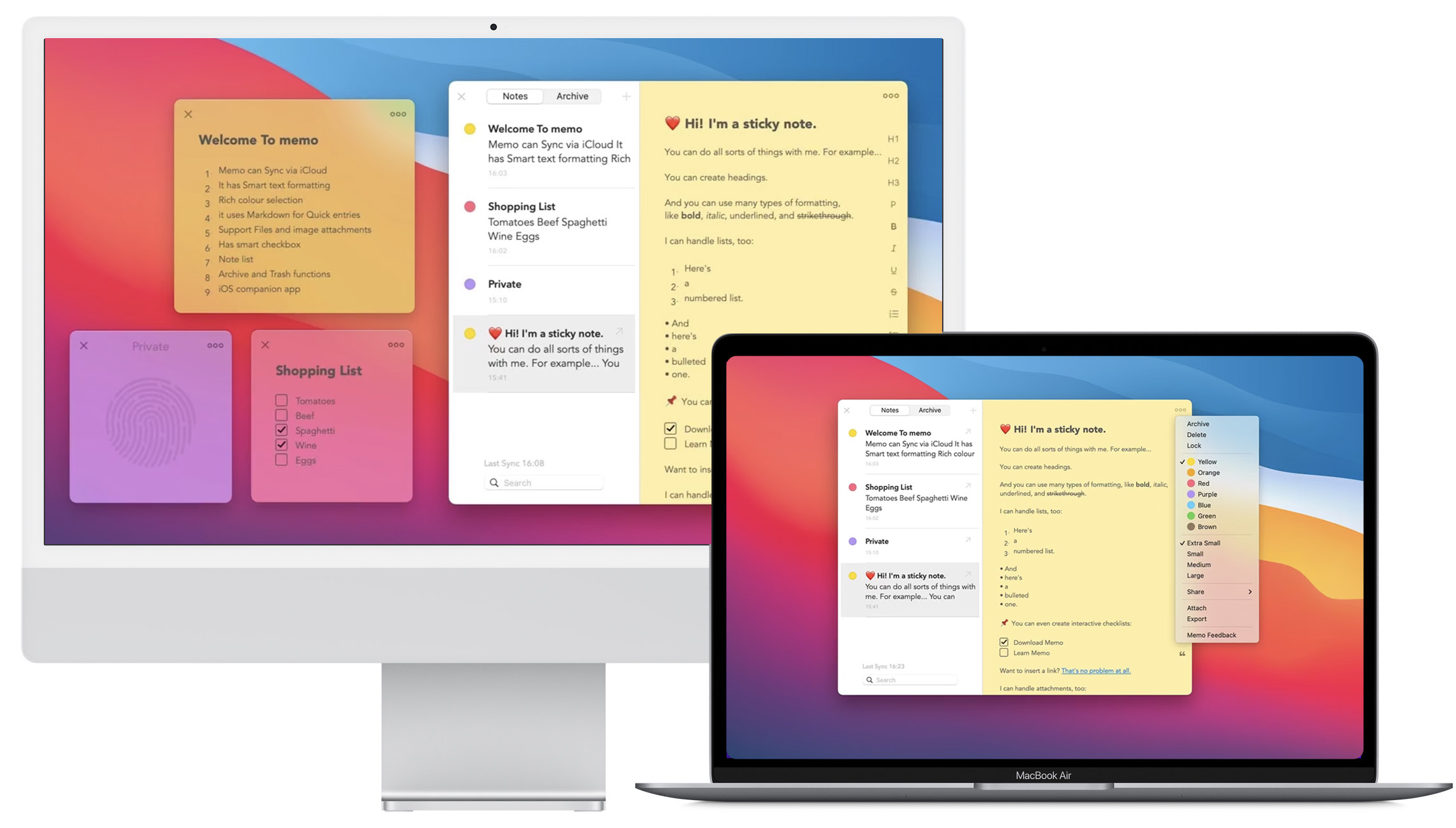
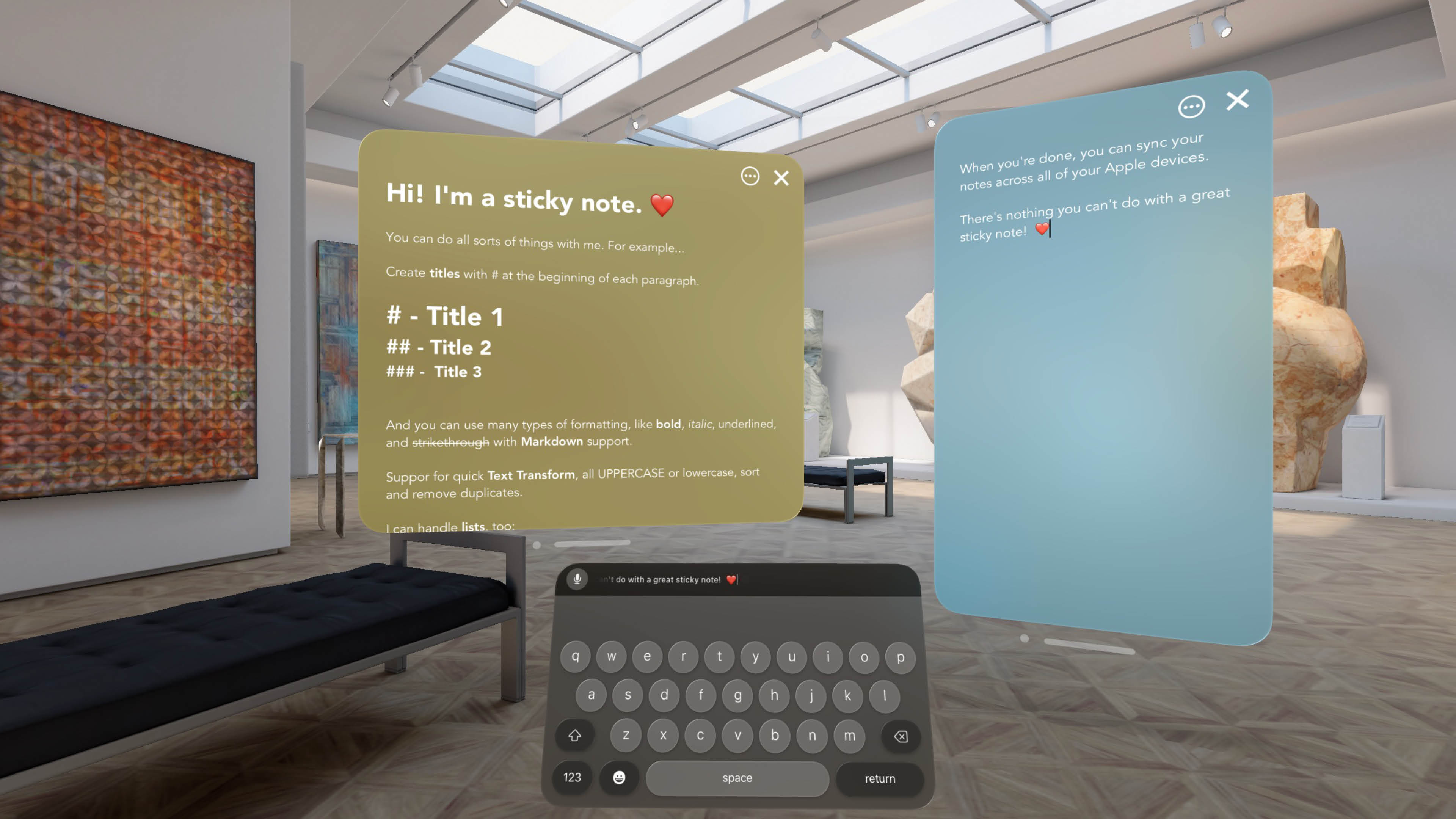
All notes created in the app are automatically synced across devices connected to the user's iCloud account, ensuring they're always up-to-date.

English, French, German, Japanese, Korean, Simplified Chinese, Traditional Chinese, Portuguese, Spanish.
app is optimized for use on M1 devices, providing a faster and more efficient note-taking experience.

Notes can be locked with a password, providing an extra layer of security and ensuring that confidential information is kept safe.