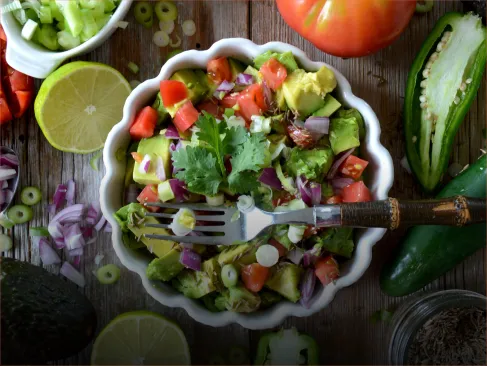
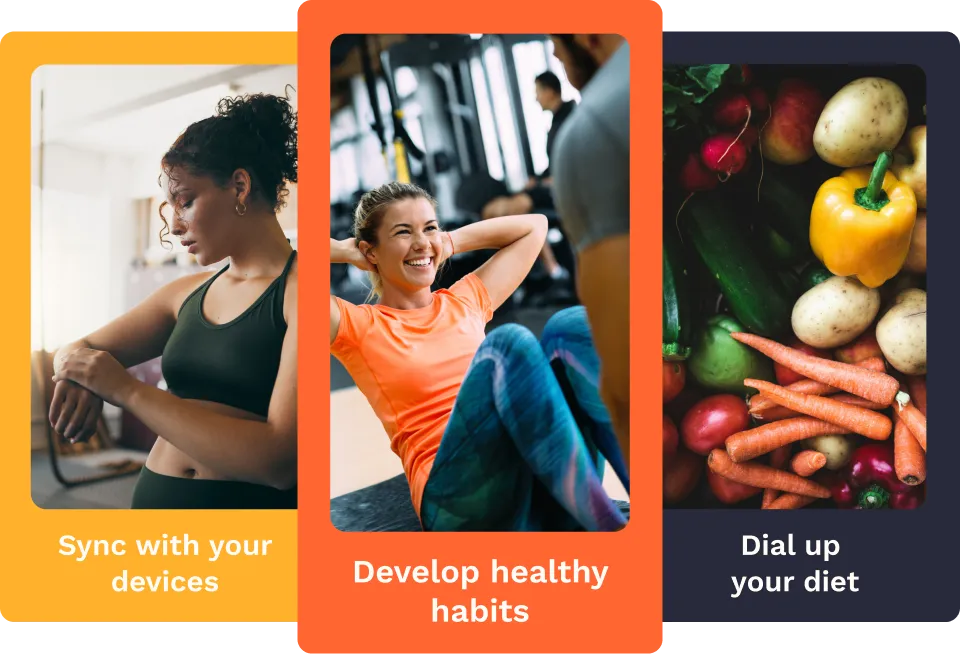
Dial up your diet
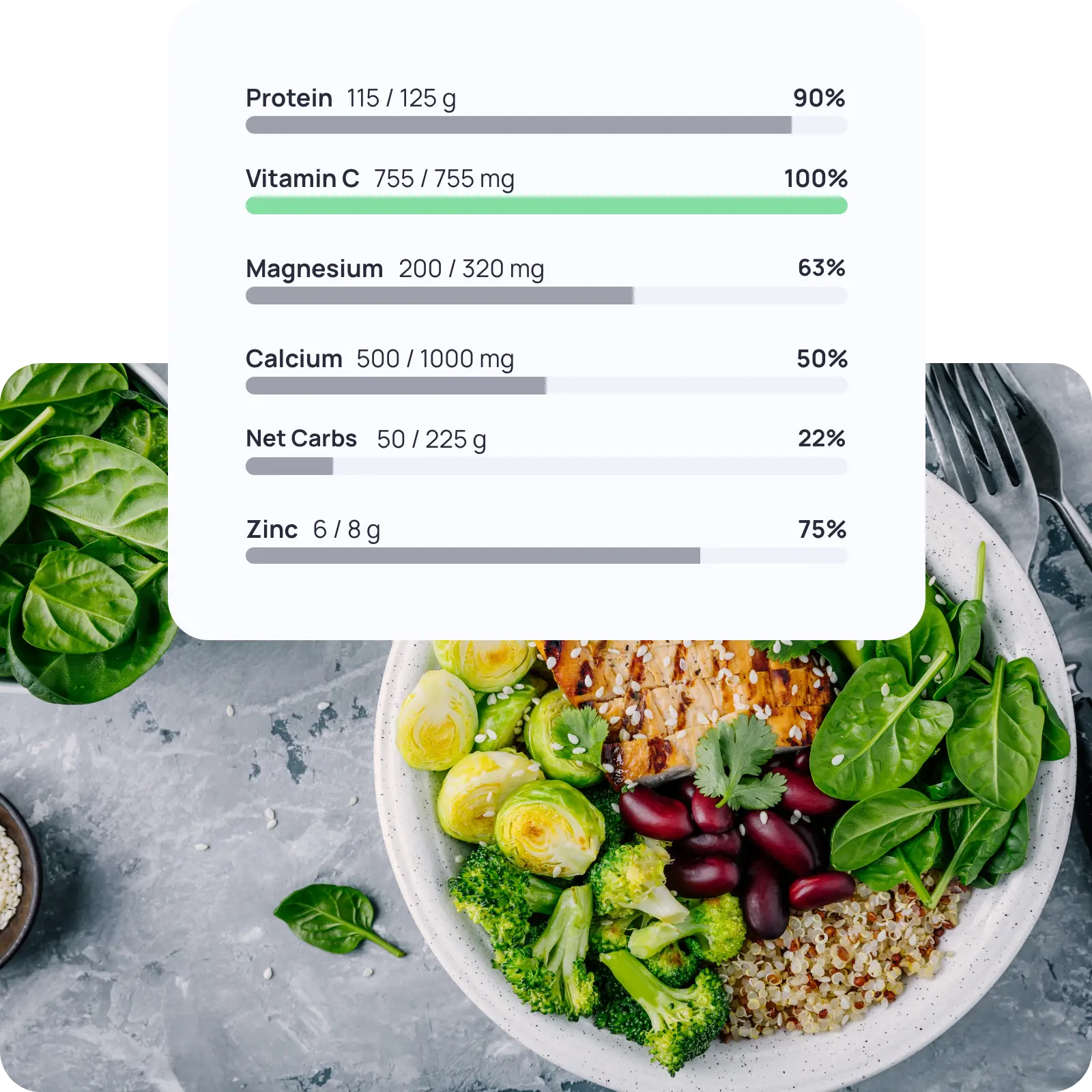
See which of the essential vitamins and minerals you’re getting the most and least of, helping you eat a more balanced diet. Track up to 95 different nutrients and compounds.



From macros to micros, Cronometer gives you personalized insight into your diet, exercise, and health data so you can make more informed decisions about your health.









Our lab-analyzed nutrition data will help you:
See which of the essential vitamins and minerals you’re getting the most and least of, helping you eat a more balanced diet. Track up to 95 different nutrients and compounds.
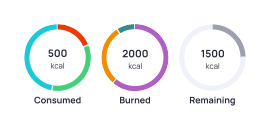
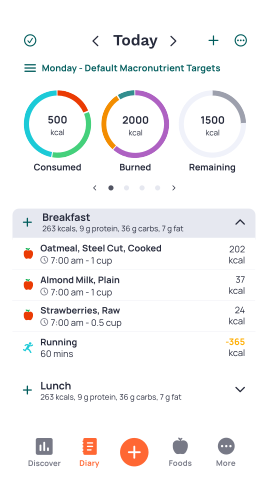
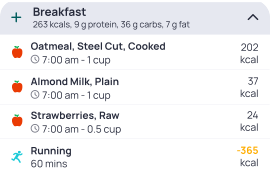
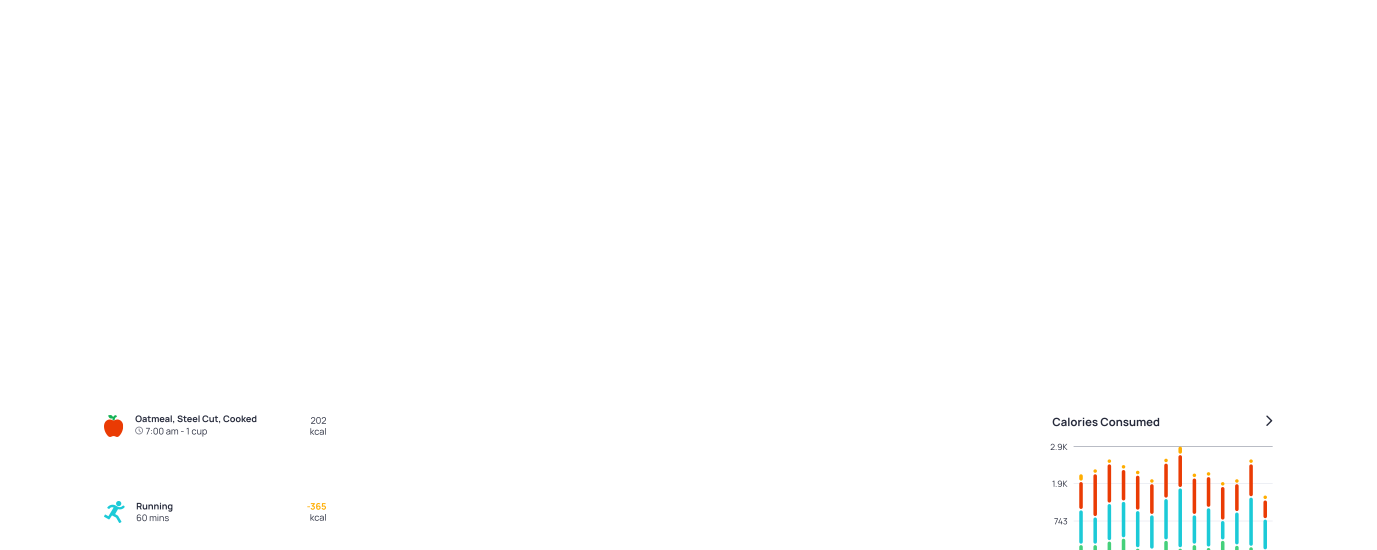
Monitor your food intake with detailed food journaling, verified nutrition information, and a built-in nutritional target wizard to keep yourself accountable.
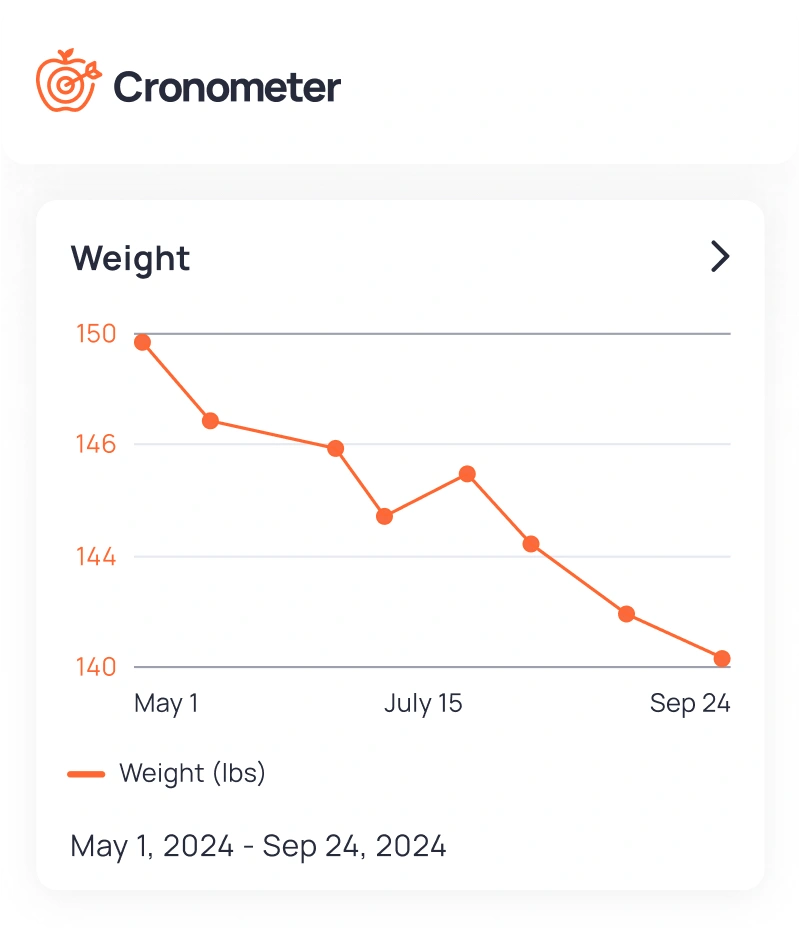
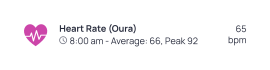
Sync Cronometer with all your devices and track all your biometrics from pain symptoms to gut health to blood sugar levels and more.

We're proud to offer accurate nutrition information within a lock-tight framework to keep your data safe. We encrypt all data, uphold industry best practices, and enforce strict access controls.
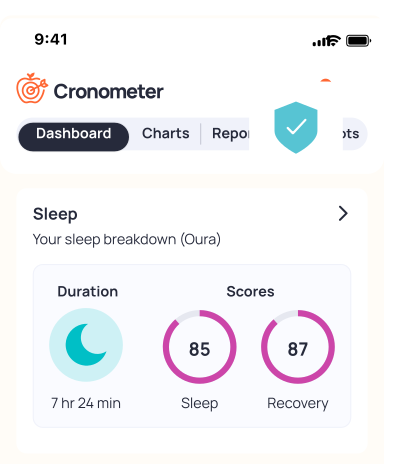
You’ll love how easily data flows between Cronometer and partner apps and devices.












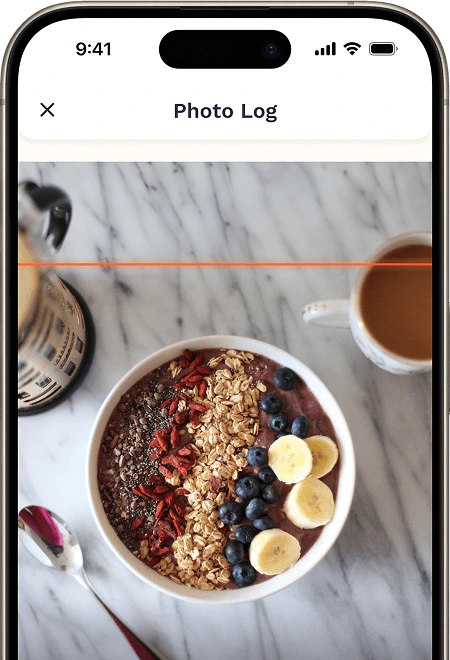
Easily log meals with our AI Photo Logging feature.
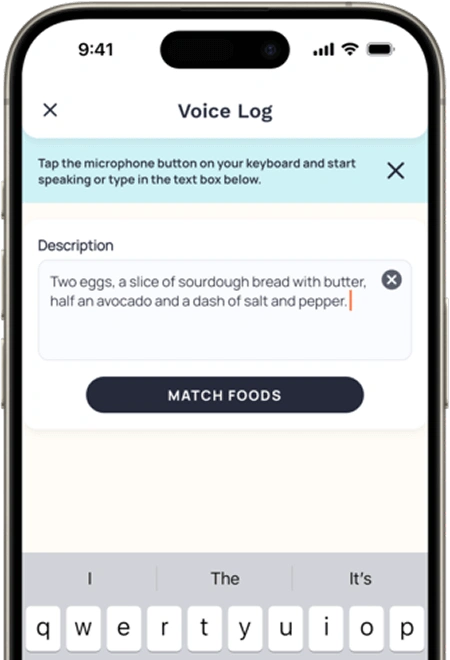
Simply speak to us or Siri to log your food.
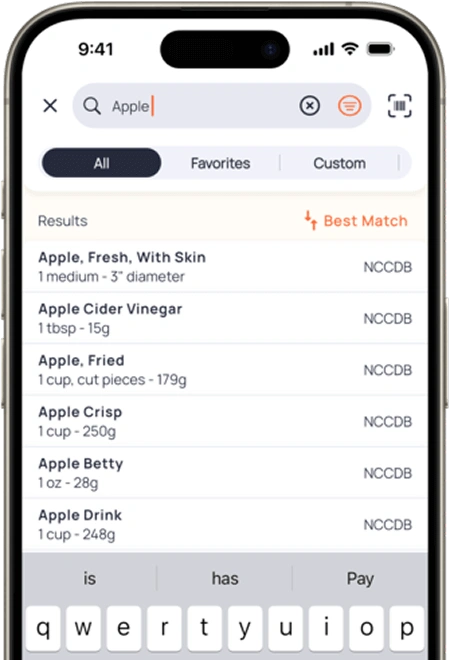
Use our classic text search to find food.
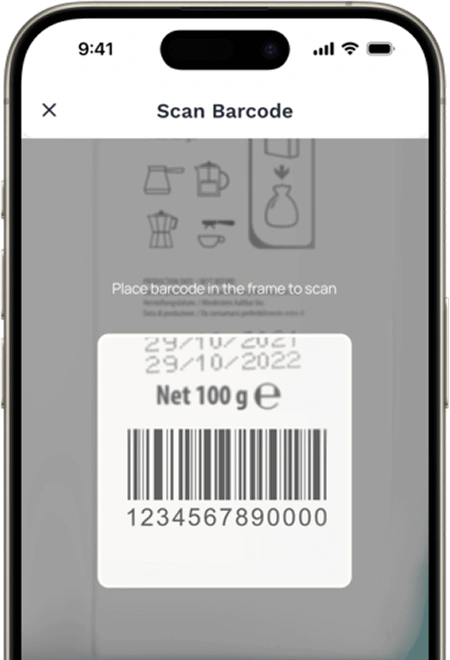
Scan the barcode of any product - for free!

| Misconception | Reality | |---------------|---------| | "The largest Ksp precipitates first." | False: The smallest Ksp (least soluble) precipitates first. | | "All 1:1 salts can be separated easily." | False: Only if Ksp values differ by >10³–10⁴. | | "Fractional precipitation is 100% efficient." | False: It usually produces enriched fractions, not pure isolates. | | "You can use any counterion." | False: The precipitating agent must form an insoluble product with only one ion at a time. |
, a precipitate forms until the system winds back down to equilibrium.
: When you add a precipitating reagent, the compound with the lowest Kspcap K sub s p end-sub (the least soluble) will typically precipitate first.
, it requires a much smaller amount of silver to reach saturation. Therefore, Tips for Completing the POGIL Models
Solve for the concentration of the added ion (the "titrant") required to start precipitation for each species.
Fractional precipitation occurs when a reagent is added dropped-by-drop to a solution containing multiple dissolved ions. If the reagent can form an insoluble precipitate with more than one of these ions, the ions will not drop out of the solution at the same time. Instead, the compound with the lower solubility will precipitate first. Key Terms to Know
Step 2: Find the Concentration of the First Ion Remaining when the Second Begins to Precipitate The second precipitate ( AgClcap A g cap C l ) will begin to form as soon as the Ag+cap A g raised to the positive power concentration hits . At this exact moment, you can calculate how much Br−cap B r raised to the negative power is left dissolved in the solution by plugging this Ag+cap A g raised to the positive power value back into the AgBrcap A g cap B r Kspcap K sub s p end-sub expression.
In many versions of this POGIL, the initial model explores separating Zn2+cap Z n raised to the 2 plus power Cu2+cap C u raised to the 2 plus power ions using sodium carbonate ( Na2CO3cap N a sub 2 cap C cap O sub 3 : Solution A : Contains Zinc Nitrate and Copper(II) Nitrate. Solution B : Sodium Carbonate ( Na2CO3cap N a sub 2 cap C cap O sub 3 ), which provides the CO32−cap C cap O sub 3 raised to the 2 minus power ions needed for precipitation.
): A measure of the relative amounts of products and reactants present in a reaction at a given moment.
Fractional precipitation is a critical concept in analytical chemistry, used to separate ions in a solution based on their differing solubilities. If you are working through the (Process Oriented Guided Inquiry Learning) activity, you are likely exploring how the solubility product constant ( Kspcap K sub s p end-sub ) helps determine the order in which salts precipitate.


Easily add food by using our free Barcode Scanner or select from a database of over 1M verified foods.
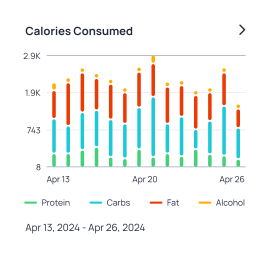
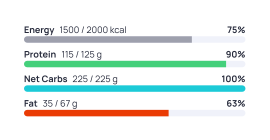
From fat to protein to carbs, access personalized nutrition charts and dashboards to get a complete picture of your health.
Get off the dieting yo-yo with data that builds momentum toward your long-term goals.
I want to use Cronometer to…

Cronometer Pro is a web-based platform built for nutritionists, dietitians, research institutions, schools, and hospitals that syncs with patient data to provide on-demand dietary analysis covering up to 92 nutrients and compounds.
Learn About Cronometer Pro
Cronometer Pro is a web-based platform built for nutritionists, dietitians, research teams, schools, and hospitals that syncs with patient data to provide on-demand dietary analysis covering up to 84 nutrients.
Learn About Pro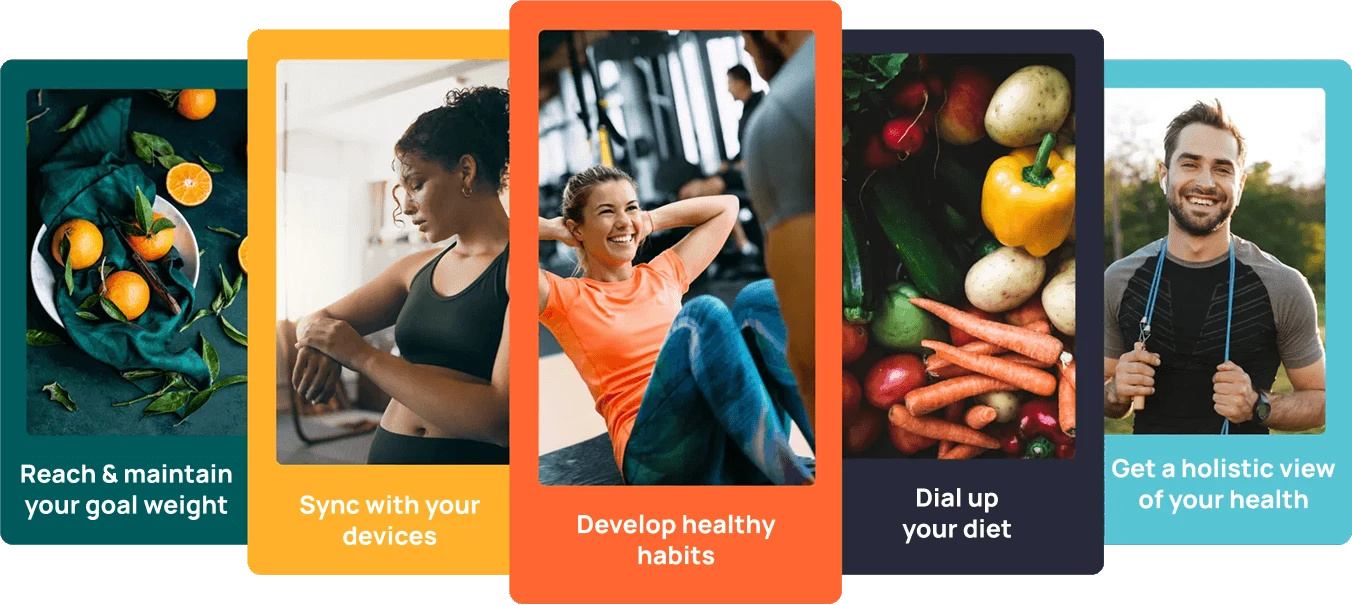


All Rights Reserved © 2026 Cascade & Leaf